Background

1957+ Pukerewa development committee was established. The Maori Affairs
department oversaw the development of the whenua expecting to have
1,500 out of a total of 2,700 acres in grass. Our tipuna did backbreaking
work clearing bush and sowing pasture.
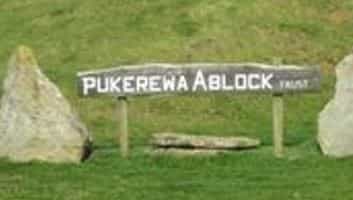
1965+ Pukerewa 'A' Block was amalgamated. The Lands and Survey department
(ca 1876-1987) farmed Pukewera Block on behalf of the Maori Affairs
department for the Maori owners. The station consisted of established
pasture, a "cut over" block and a standing bush block. The native timber
had been harvested and sold off from the "cut over" block, but the stumps
remained and the ground was rough.
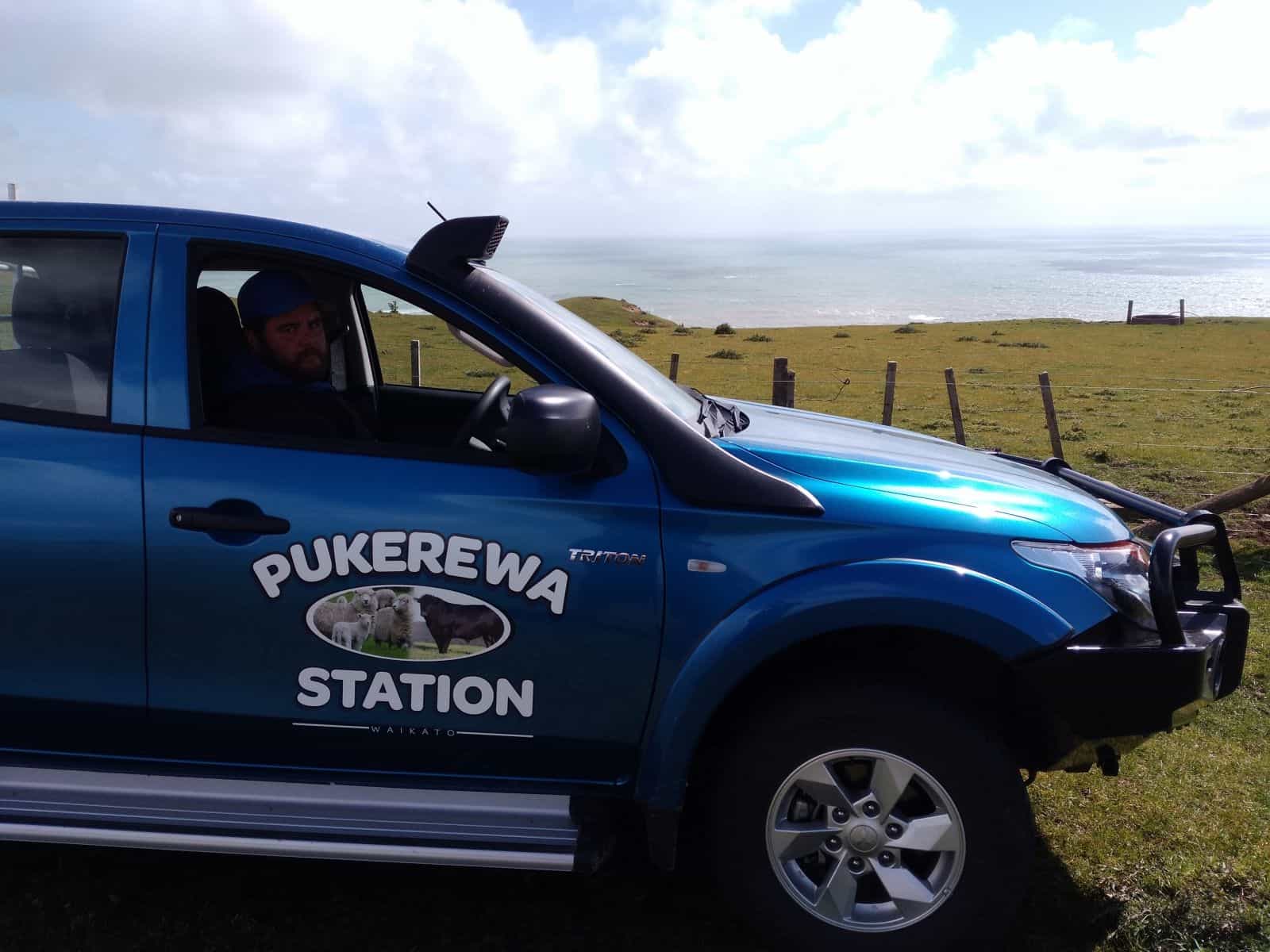
1980 The whenua was returned to the owners and Pukerewa 'A' Trust was
established. The Trust continues to operate as Pukerewa Station.
2018 Pukerewa Station's 3 year strategic development focus is stock proofing
paddocks, watering, people capability, planning and reporting systems.
Our Vision

Ko tātou te whenua, ko te whenua ko tātou
(We are the land and thus the land is us)
This whakatauaki articulates the aspirations of the whanau and the relationship the
whanau have with the land. To that end, we aim to achieve a prosperous, profitable
and sustainable farm.
Our Mission
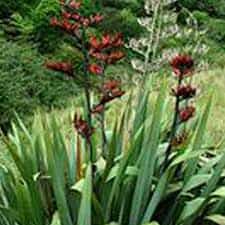
Tūngia te ururua, kia tupu whakaritorito te tupu o te harakeke
(Clear the undergrowth so the new shoots of the flax will grow)
To achieve this, we need a team that is cohesive and shares the aspirations and
ambitions for Pukerewa. This includes everyone from trustees, management,
employees and shareholders. Knowledge, communication and leadership are at
the centre of our plan. Everyone needs to be specialists in the roles they are
given within the business and needs to feel that they are an integral part of the
overall success of Pukerewa.
Our Guiding Principles
Principle of Whakawhanaungatanga .png)
(Building healthy relationships based on collaboration and mutual respect)
The notion of weaving 'whanau to whanau' is inclusive of drawing expertise from
outside whakapapa whanau, otherwise known as 'kaupapa whanau'. Embracing,
supporting, encouraging and accepting of others are some of the attributes to be
advanced by Pukerewa in building a sense of whanaungatanga.
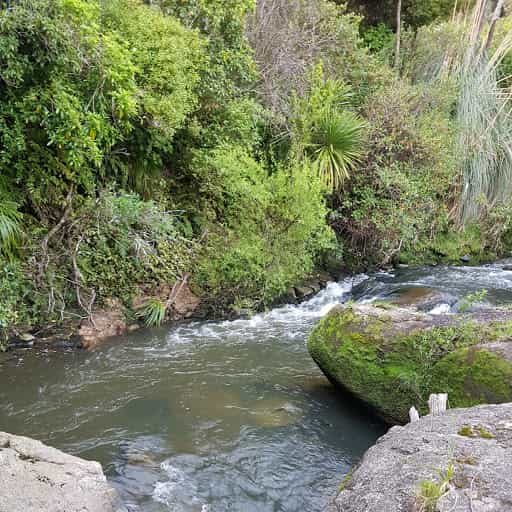 Principle of Te Puawaitanga
 (Promoting the cultural, social & economic wellbeing of Pukerewa)
In essence, this principle focuses on exploring all possible avenues to advance
the blossoming of Pukerewa whanau culturally, physically, spiritually, politically,
economically, and supporting creative innovations and investing in whanau ora
strategies for and on behalf of our whanau, or significantly engaging in whanau
succession planning are some measures that should be considered in regards to
this particular principle.
 Principle of Tino Rangatiratanga
 (Determine the strategic direction and whanau ora development of Pukerewa)
Tino Rangatiratanga as a principle reinforces our right of self determination in
all matters pertaining to our organisational structure, management, whenua
and whanau ora development. Honesty and integrity are essential aspects of
indigenous Maori leadership promotion for Pukerewa.
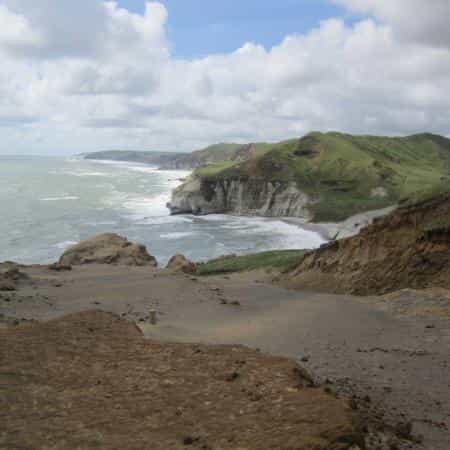 Principle of Kaitiakitanga
 (Protect, care for, watch over and develop all the assets of Pukerewa for the
advancement of Pukerewa, shareholders and beneficiaries)
It is expedient that Pukerewa Whanau are familiar with best practice as they
take on board a role of protecting, caring for, watching over and developing
all assets for and on behalf of the Trust. Kaitiakitanga in this context infers
an outward expression of long term protection of cultural, physical, spiritual,
intellectual and economic assets.