New Hybrid Cattle Yards...
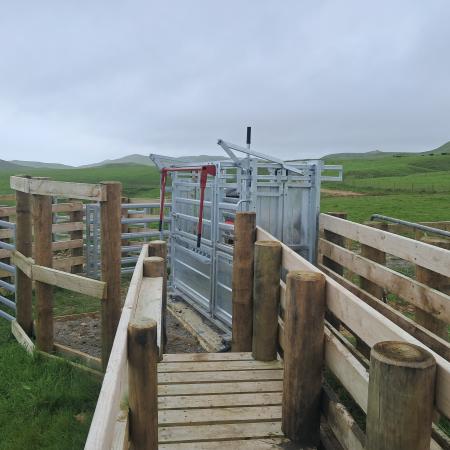
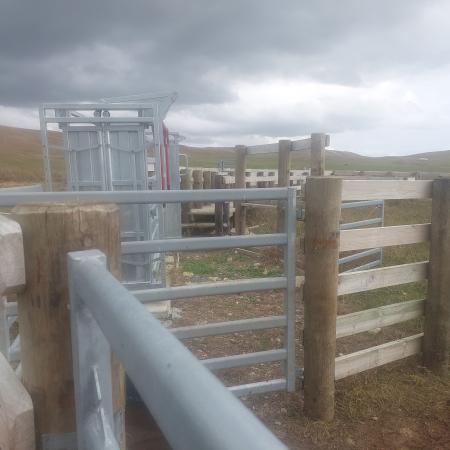
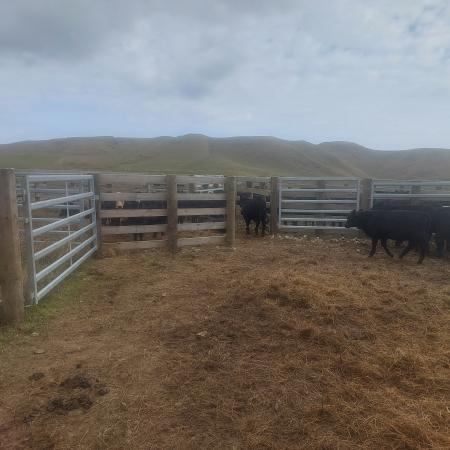
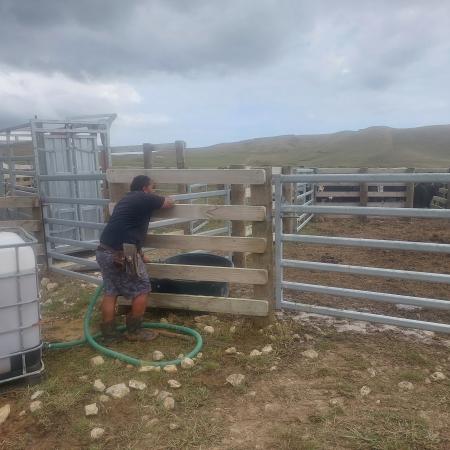
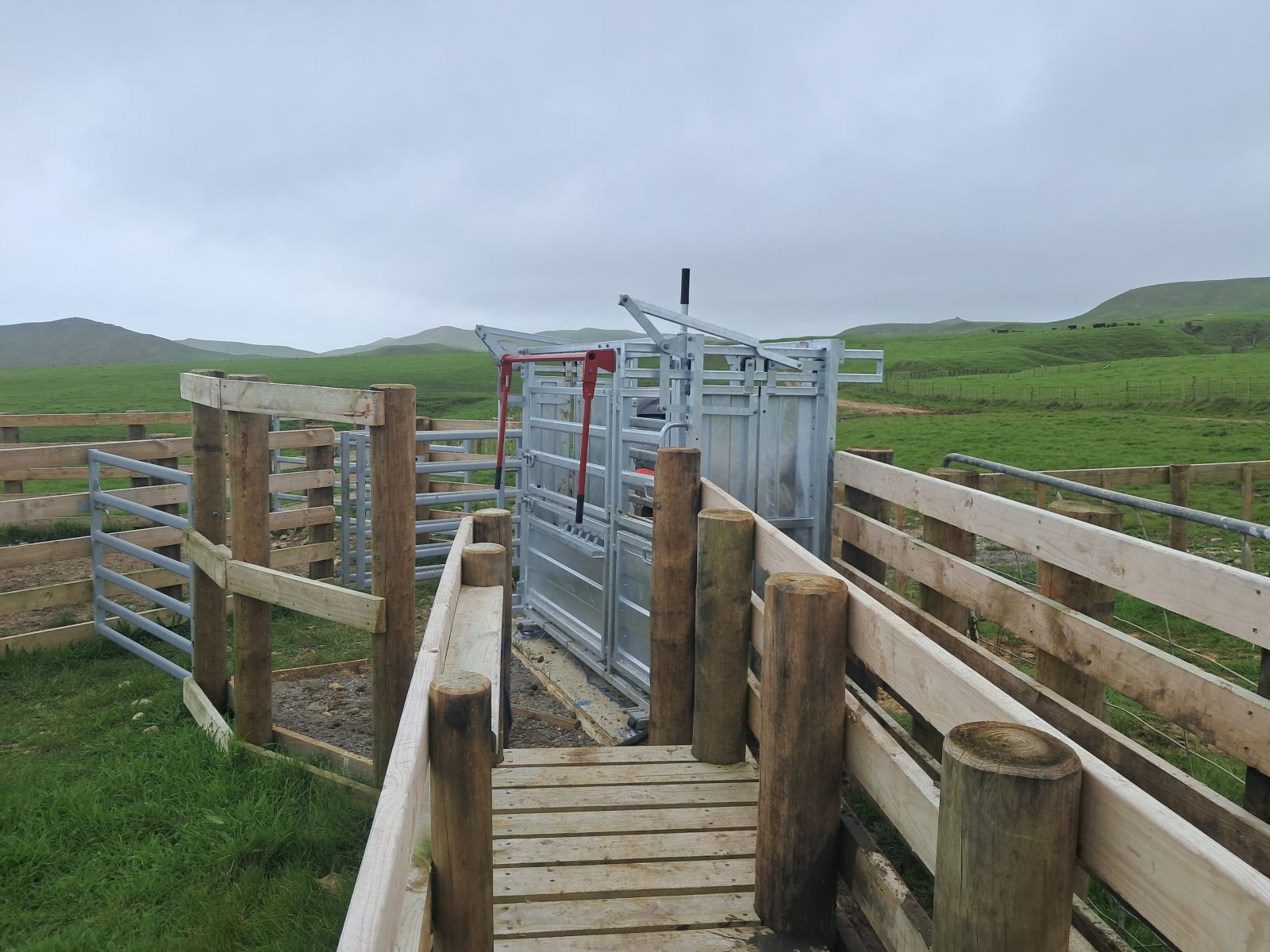
Our hybrid cattle yards combine the best features of both traditional and modern yard designs, creating a system that’s efficient, safe, and built with both people and livestock in mind. The layout supports smooth animal flow while helping the team work confidently and safely during mustering, drafting, and handling.
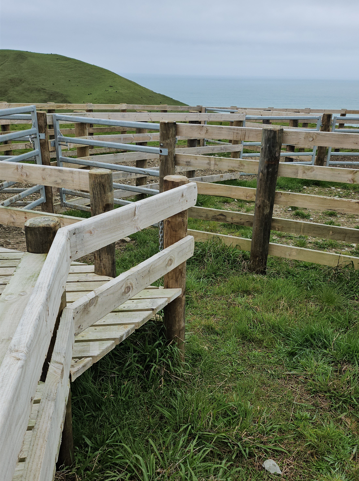
The yards use a mix of timber and steel construction - timber provides natural noise reduction and a calmer environment for cattle, while steel adds strength and durability in the high-pressure areas. The combination offers a practical balance between animal welfare, handler safety, and long-term maintenance.
Key features include well-positioned forcing pens and raceways that reduce stress and improve movement, non-slip surfaces for better footing, and curved rail designs that follow cattle behaviour patterns. The loading ramps and crush areas meet current animal welfare and workplace safety standards, ensuring compliance with best practice guidelines.
From an animal welfare perspective, the design follows low-stress handling principles: clear sightlines, consistent lighting, and minimal sharp corners help keep stock calm and moving naturally. These features also reduce injuries, improve yarding efficiency, and support better animal performance overall.
In short, the hybrid yard design reflects our commitment to practical efficiency, worker safety, and high welfare outcomes - making it a reliable, future-focused investment for day-to-day stock management.
.png)
1. Improved Efficiency and Convenience
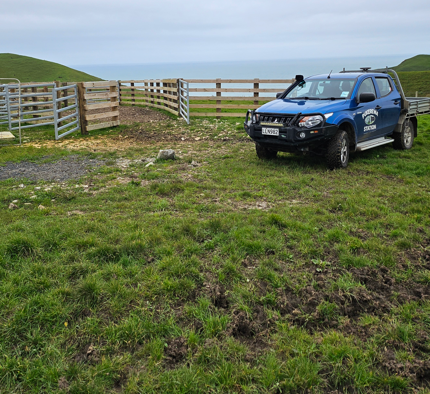
Locating the new yards within the Bull Block dramatically reduces travel time, handling and labour. The shorter distance
lessens stress on cattle and streamlines operations during weighing, drafting, and treatment.
    The hybrid yards are built to modern, low-stress handling principles. Circular pen layouts improve cattle movement,
    drafting and loading systems are more efficient, and the upgraded crush enhances safety for both livestock and handlers.
3. Enhanced Animal Welfare
Design features such as effective drainage and non-slip flooring support higher welfare standards. A partial yard cover
and planting trees for shade/shelter are planned in the new year. These improvements will reduce the risk of bruising,
injury, and exposure to adverse weather conditions.
4. Improved Team Safety and Comfort
Safer, more ergonomic facilities make daily work easier and reduce fatigue and injury risk. Better yard flow contributes
to more comfortable and productive working conditions for our team. Note: Covered work areas aren’t a priority right
now but are on the plan for next years’ development.
5. Long -Term Cost Savings
Although the initial build required a significant investment, the new facility reduces ongoing maintenance and
operational costs compared with the outdated yards, which were costly to maintain and no longer met the farm’s safety
and efficiency expectations.
6. Flexibility and Future Growth
Designed with scalability in mind, the new yards can handle both current and future herd sizes. They also allow
seamless integration of modern livestock technologies and management practices.
“Having the yards right in the middle of where most of our cattle are run has made a big difference for us. It’s cut down the time they’re off the grass and keeps them more settled. We can bring them in, get the job done, and have them back out grazing pretty quickly". Jack Gardiner 2025
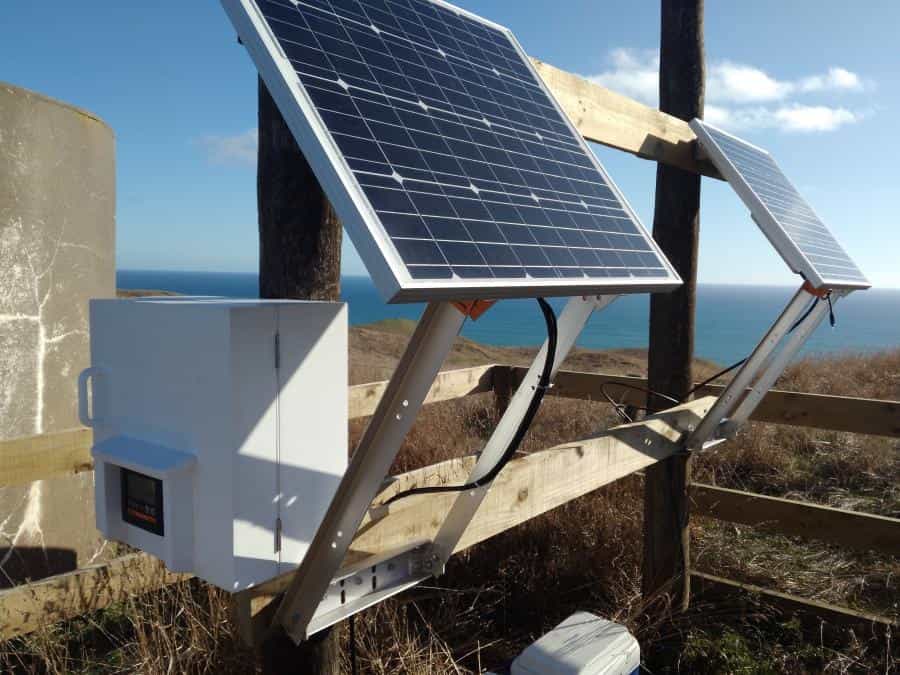
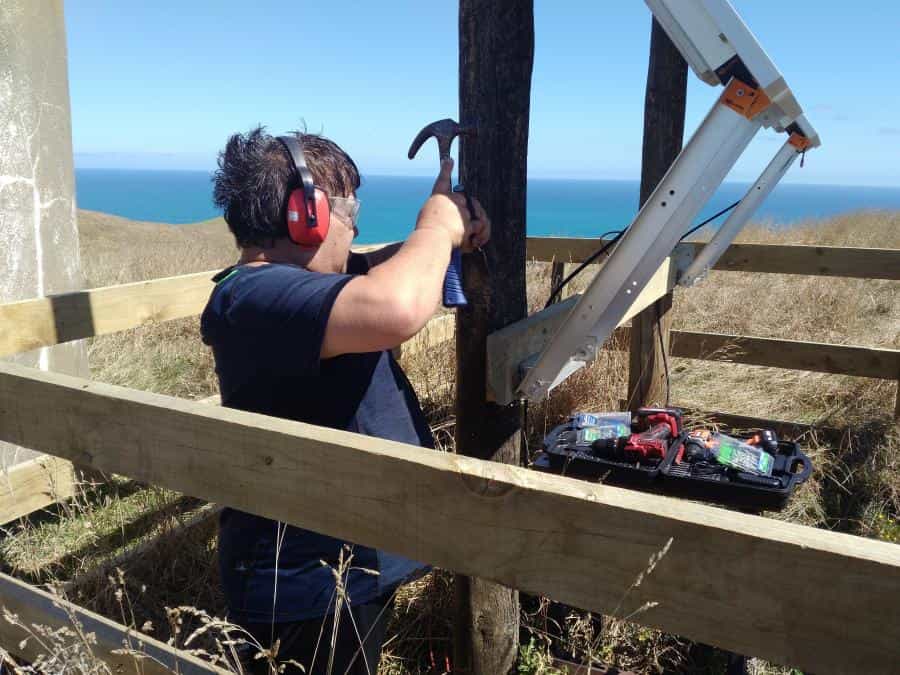
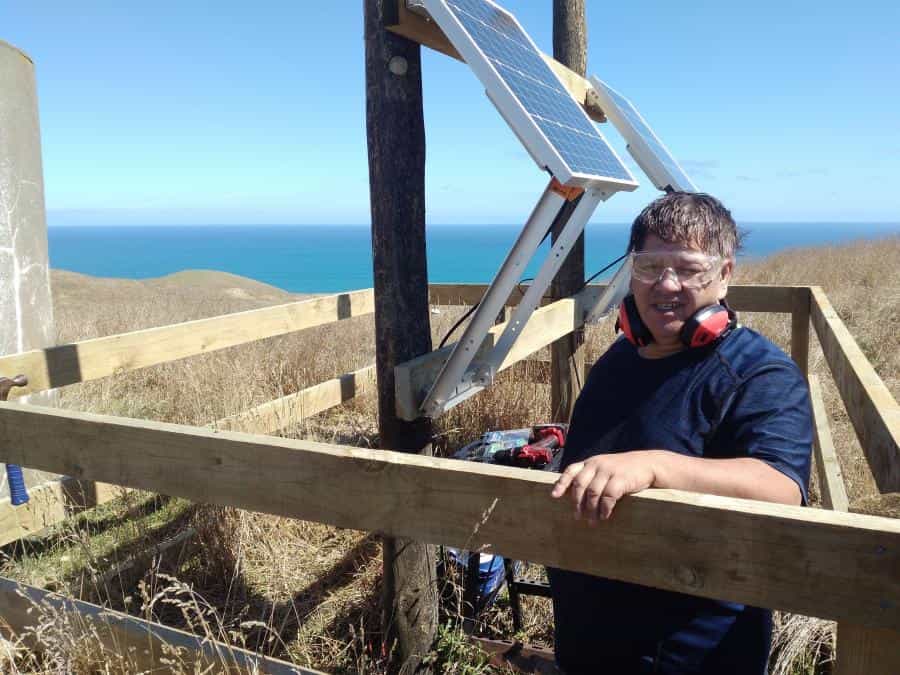
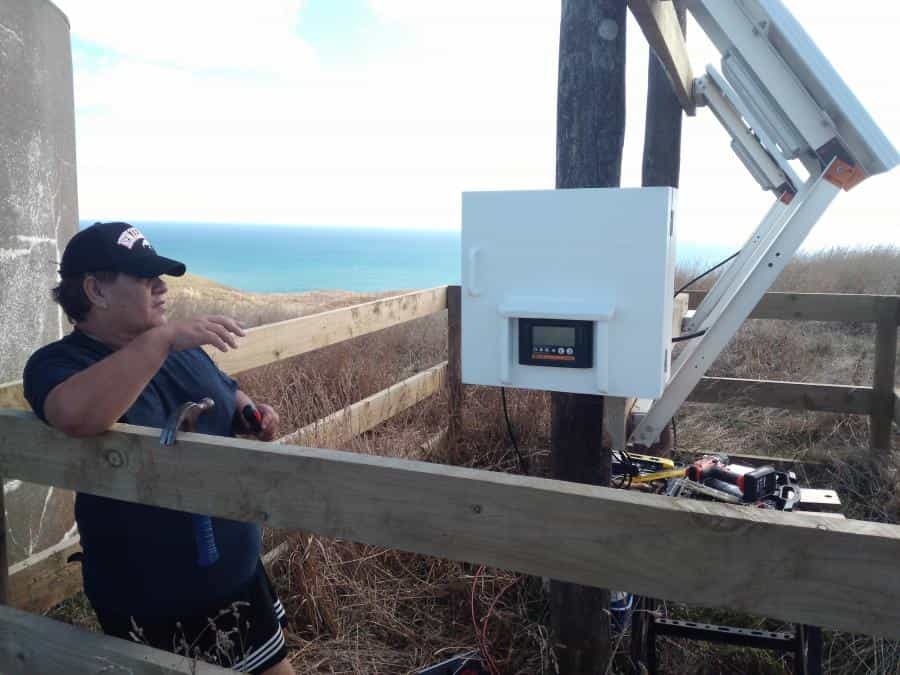
For quite some time, the Bull Block’s electric fencing posed major reliability and maintenance challenges. The system lacked a logical current flow, with wires randomly linked from paddock to paddock in a tangled, web-like setup that was both inefficient and confusing. Poor grounding, inconsistent tensioning, and outdated, rusted components - along with faulty insulators - often caused electrical failures and weak performance. Overgrown vegetation regularly touched live wires, leading to frequent shorts and reduced power delivery.
Paddock Renewal (Cropping and Re-grassing)... 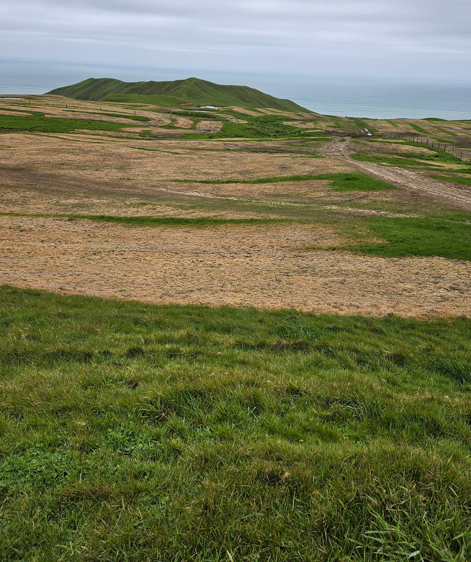
.png) Working alongside Brian Richards (Agronomist) and Jenna Paulsen (Technical Field Representative) has become an important part of how we grow our sheep and beef business. They’re our go-to team for trusted, evidence-based advice, but more than that- they’re part of the Pukerewa whānau, and overall, our farming community. There’s a real sense of trust and partnership in the way we work together, and that connection makes a difference when it comes to turning ideas into results.
Working alongside Brian Richards (Agronomist) and Jenna Paulsen (Technical Field Representative) has become an important part of how we grow our sheep and beef business. They’re our go-to team for trusted, evidence-based advice, but more than that- they’re part of the Pukerewa whānau, and overall, our farming community. There’s a real sense of trust and partnership in the way we work together, and that connection makes a difference when it comes to turning ideas into results.
Brian and Jenna regularly meet with our farm manager to tailor practical plans that fit the farm’s goals and the conditions on the ground. They draw on data from feed covers, soil tests, production reports, and animal health records to guide decisions that improve productivity, sustainability, and day-to-day efficiency. Their advice is never generic - it’s hands-on and specific to each paddock, whether it’s about boosting pasture growth, controlling weeds and pests, adjusting fertiliser use, or developing sustainable finishing systems that keep the business productive and profitable.
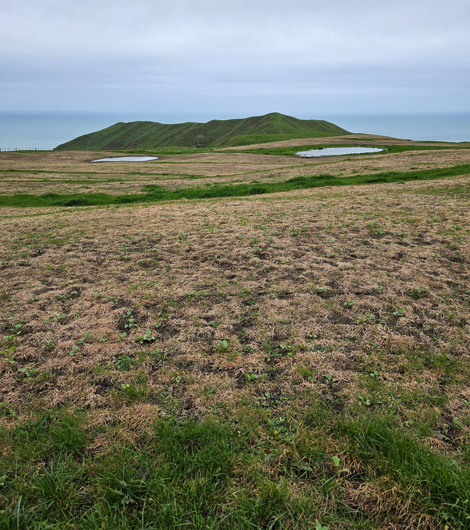
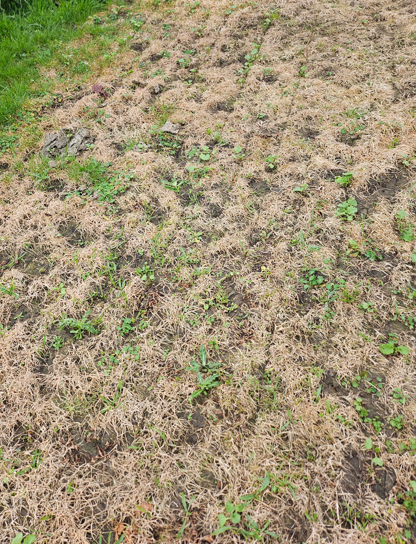
On their most recent visit, Brian and Jenna joined us out in the paddocks to assess sites with cropping potential. The conversation was lively and down-to-earth, backed by soil test results showing that the paddocks were ideal for establishing Raphno finishing crops. The team also checked in on drilling and cropping work across top, middle, and bottom Parkers’ paddocks, and discussed the plans for re-grassing paddocks further north, which had previously been cropped. As we walked through the paddocks, the discussion naturally turned to grazing strategies and finishing goals - sharing ideas and learning from one another in a way that really reflects how we like to work.
That sense of collaboration, curiosity, and forward thinking is what keeps our farm developing sustainably - strengthening both the whenua and the business for years to come.